



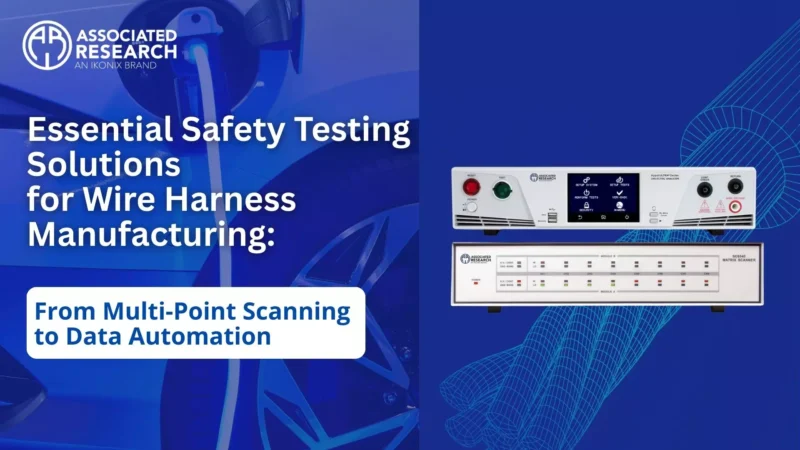
Wire harness safety testing grows more complex as voltage levels rise, system architectures expand, and global safety regulations tighten. Manufacturers commonly struggle with four recurring pain points — extra continuity testing, multi-device training, manual test-point errors, and fragmented quality data. This article breaks down each challenge and the equipment-based solutions that address them.
Wire harnesses are indispensable components across automotive, industrial equipment, medical devices, household appliances, communications, and energy systems. As these applications grow more demanding, wire harness safety testing has become critical to ensuring safety, reliability, and quality consistency — key factors in successful product certification and market entry. Despite this, many manufacturers are still running test setups that weren’t built for today’s production volumes or compliance requirements.
4 Common Pain Points in Wire Harness Safety Testing
Despite growing demand across automotive, industrial, medical, and energy applications, many wire harness manufacturers are still relying on testing setups that weren’t built for today’s production volumes or compliance requirements. Without the right safety testing solutions for wire harness manufacturing in place, teams end up cobbling together separate instruments, manual processes, and disconnected data records — creating friction at exactly the stages where speed and accuracy matter most. Below are four of the most common pain points manufacturers encounter when their approach hasn’t kept pace with their production needs.
Requirement for Additional Continuity Testing
After completing hipot tests, an ohmmeter is often required to verify end-to-end continuity, increasing equipment costs and complicating operational workflows. This extra step means manufacturers must purchase, calibrate, and maintain a separate piece of test equipment on top of their safety tester, adding to capital expenditure and floor space requirements. It also introduces an additional handoff in the production line, where the wire harness must be moved between two separate test stations — slowing throughput and creating more opportunities for handling errors or damage to the unit under test.
Need for Proficiency Across Multiple Devices
Operators must master both safety testers and separate continuity testing equipment, increasing training costs and operational burdens. Each device typically has its own interface, test parameters, and pass/fail criteria, meaning new hires require longer onboarding periods before they can run a full test sequence independently. This also raises the risk of operator error when switching between systems, and makes it harder for manufacturers to cross-train staff or maintain consistent testing quality across shifts and production lines.
Errors in Multi-Point Testing
Manual switching of test points is prone to poor contact or loose connections, which compromises test consistency. Without proper safety testing solutions for wire harness manufacturing to automate this step, a single missed connection can produce a false pass or fail — potentially letting a defective harness reach the next stage of assembly, or the end customer.
Lack of Systematic Quality Data
The inability to automatically and comprehensively record test results leads to insufficient documentation for customer audits or safety certifications, and prevents long-term quality trend analysis. Without safety testing solutions for wire harness manufacturing that centralize this data, manufacturers struggle to retrieve historical records for a specific batch or serial number — and it becomes difficult to spot emerging issues, like a gradual drift in insulation resistance, before they escalate into larger problems.
Efficient Wire Harness Safety Testing Solutions from Associated Research
Associated Research provides solutions specifically designed to address these industry pain points:
HypotULTRA 7850
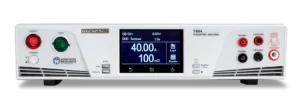
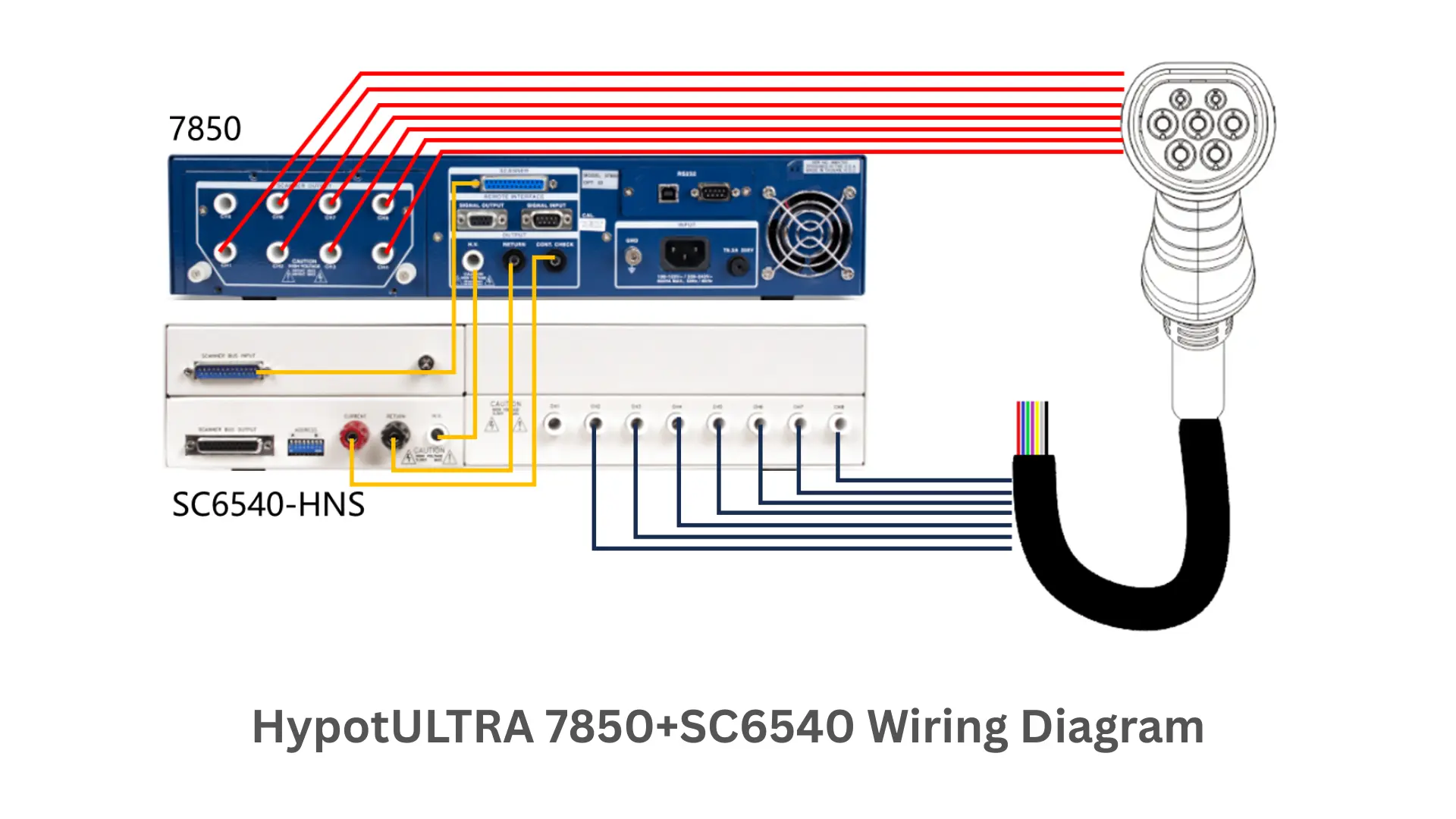
This unit provides ACW, DCW, and IR functions with built-in Continuity testing. A single device completes both hipot and continuity tests, reducing the need for extra equipment.
SC6540 Multiplexers
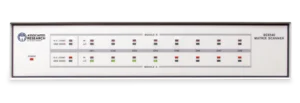
Features automated switching of test points, effectively solving manual wiring issues while enhancing operator safety and testing efficiency.
WithStand® Software
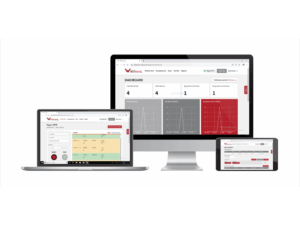
Automatically stores test data and supports barcode scanning to quickly recall test files and execute tests, significantly reducing human error.
Transforming Wire Harness Safety Testing: Balancing Efficiency and Flexibility
One-Click Wire Harness Safety Testing:
Easily complete all required wire harness safety testing procedures without pausing to change wires, boosting production efficiency.
Multi-Point Testing:
Simplifies complex wiring configurations during wire harness safety testing while ensuring operator safety.
Flexible Application:
Hardware configurations can be adjusted based on the number of test points, supporting up to 80 points (with further expansion available upon request) for a wide range of testing applications.
Full Test Data Traceability:
Automatically logs and exports test records for every wire harness produced, simplifying quality audits and supporting certification documentation.
Broad Standards Compliance:
Configurable test parameters help wire harness safety testing keep pace with evolving automotive, industrial, and international safety requirements.
FAQ
Why do wire harness manufacturers need continuity testing in addition to hipot testing?
Continuity testing confirms end-to-end electrical connections are intact, while hipot testing verifies insulation strength — both are typically required, which is why combining them in one instrument reduces equipment and workflow overhead.
What causes errors in multi-point wire harness testing?
Manual switching between test points is prone to poor contact or loose connections, which can produce false pass or fail results if not automated.
How many test points can wire harness testing equipment support?
Configurations like the SC6540 Multiplexer support up to 80 test points, with further expansion available depending on production needs.
Why does centralized test data matter for wire harness manufacturing?
Centralized, automatic data logging makes it possible to retrieve historical records by batch or serial number and catch quality trends — like insulation resistance drift — before they become larger production issues.

